
Digitalisation
Digitization of archived goods serves on the one hand to protect and secure archived materials, on the other hand, improved accessibility and increased use for archive users can be achieved through digitalization. The latter is done by providing archives on the Internet (own homepage and portals) as well as in a digital reading room (in preparation). The backup of archives and their provision on the Internet are seen by the state archives in the context.
Currently, the state archives of Bavaria hold well 47 million originals from 777 to today. If you put all archives together, you could easily bridge the distance from Munich to Nuremberg. About the homepage and the finder database (https://www.gda.bayern.de/gvl/document/) are currently available for 166,000 archives. As most archivals comprise several pages, this results in the fair number of 5.4 million available images. These quantities already make it clear that any form of digital access to archives will always be a part of the written tradition of Bavaria.
The focus is on the state archives of Bavaria, therefore, the digital collection of directories and development information. This information is not only available through the homepage, but also via interfaces in important portals such as the Archive and from there to EUROPEAN fed in. There are currently around 20 million archives of digital distortion data records, which, however, cannot all be presented freely accessible on the Internet for legal reasons (protection periods).
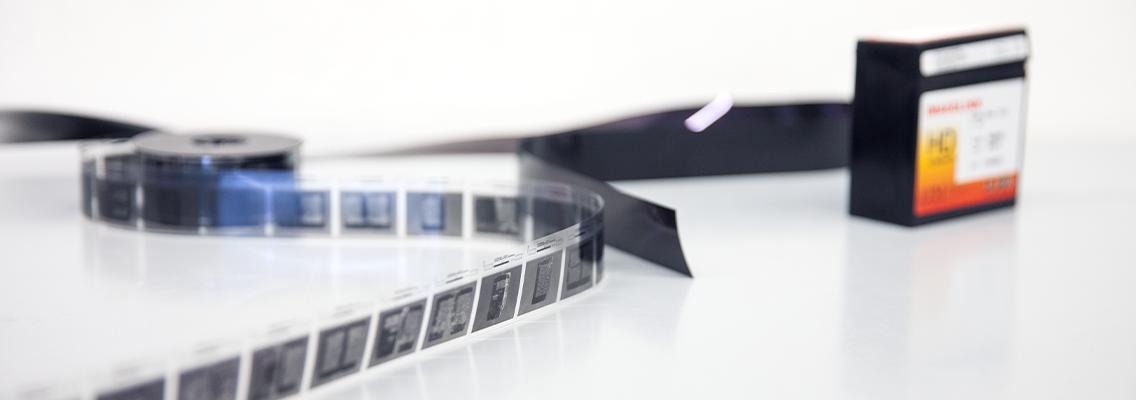
Another focus is the digitization of audiovisual archives. Due to the shortevity of storage media such as film, video and CD, the total loss of information threatens here.
Added to this is the digitization of selected backbone stocks and the provision of e-learning modules that make it easy for all groups of persons to familiarise themselves with archives and to research them in the archive.
(Stand: July 2019)